
The Role of Imagination in Early Years Development

Introduction

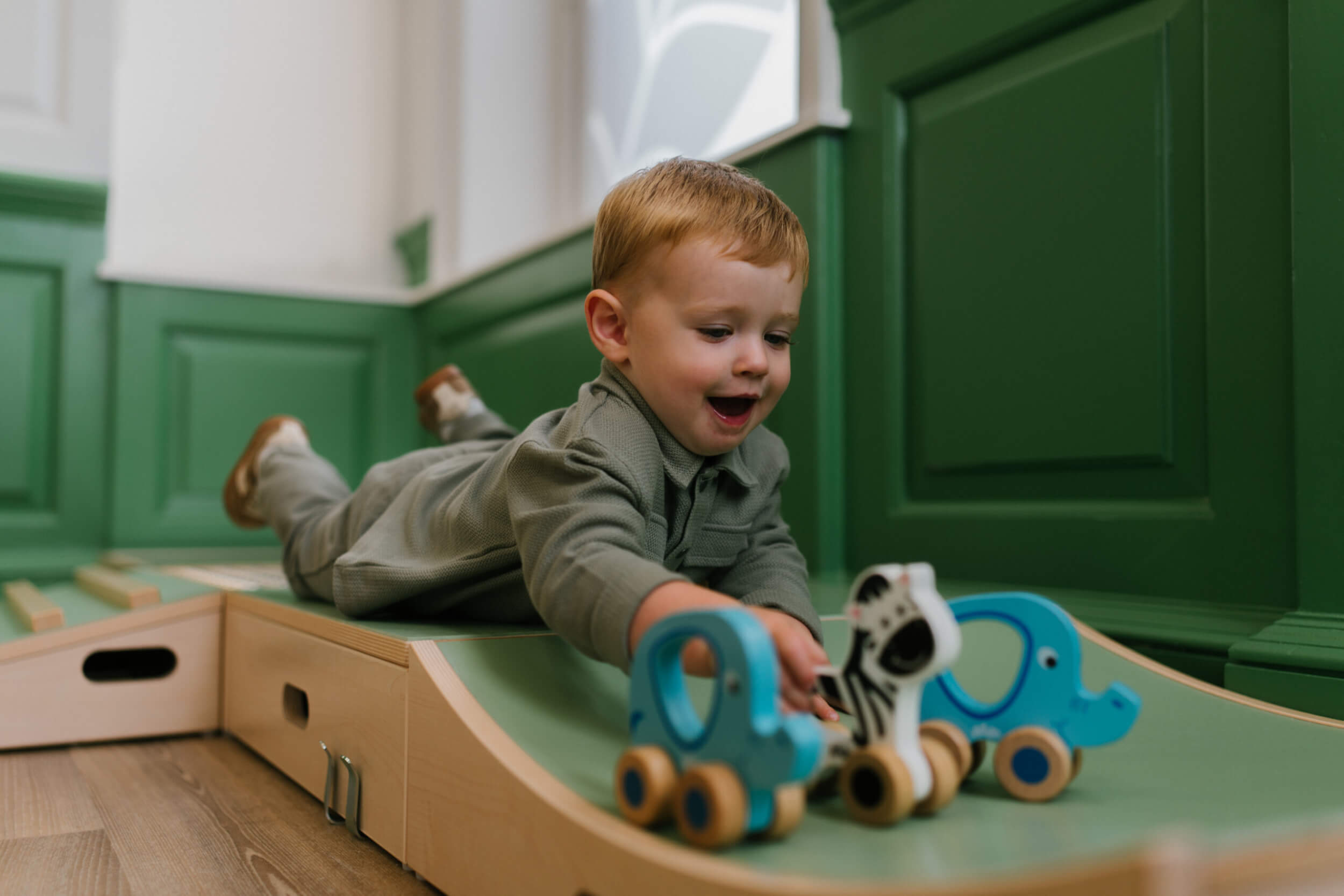
Imagination is far more than make-believe. It is how children test ideas, process emotions, and understand the world around them. From pretending to cook in a mud kitchen to building castles from blocks, imaginative play forms the foundation for thinking, problem solving and creativity.

At Canopy Nurseries, we believe imagination is a serious business. It is not something to be tidied away when the real learning begins. It is the learning.

Why Imagination Matters

Imagination allows children to explore possibilities without fear. In a story or a role play, a child can be brave, kind, silly or scared. They can try out new identities and rehearse real-life situations. This builds confidence, empathy and social understanding.

It also supports brain development. When children imagine, they are making connections between ideas, using memory, language and reasoning. These are key skills that underpin literacy, numeracy and communication later on.

How Nursery Supports Imaginative Development

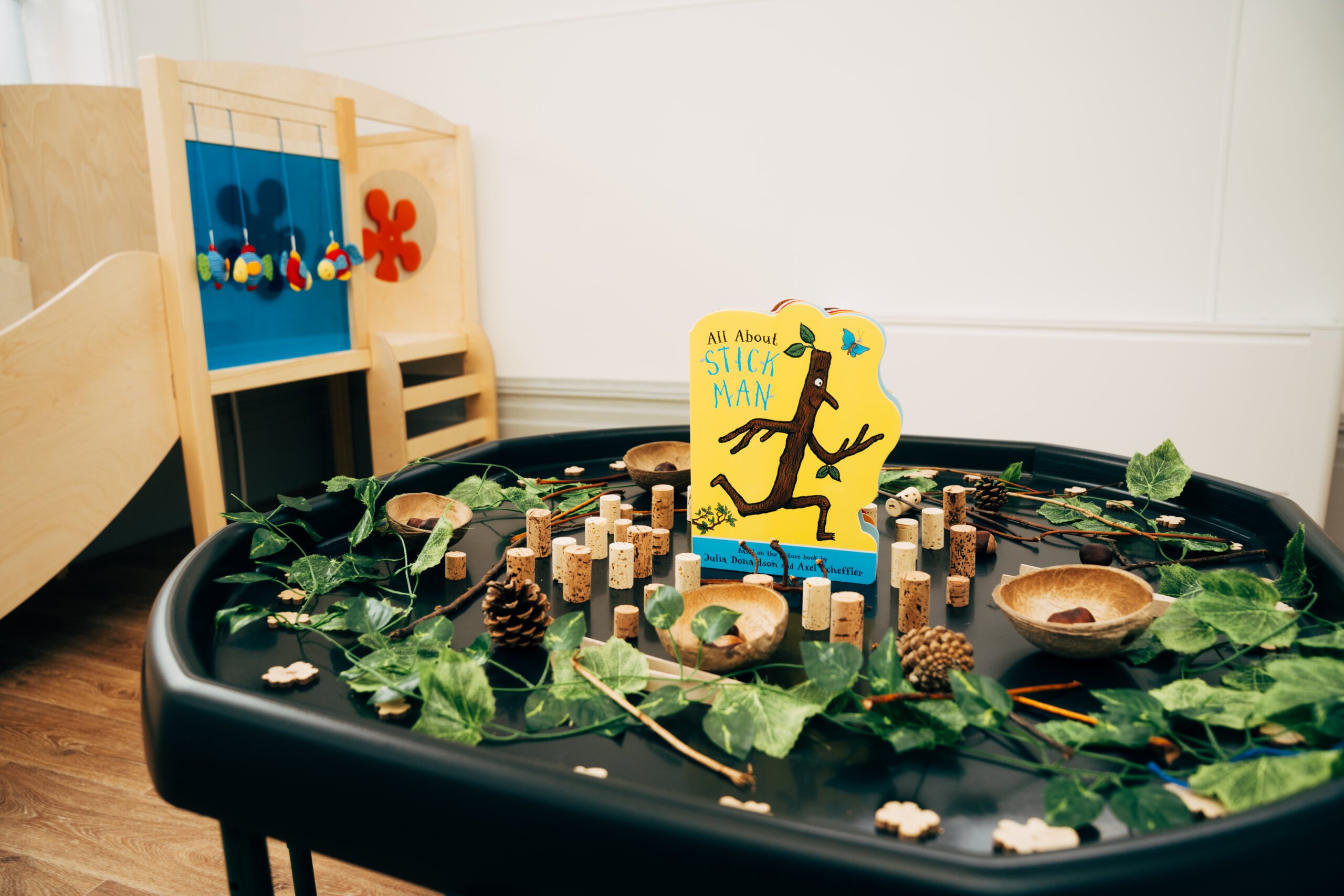
At Canopy, we create spaces that invite creativity. Open-ended resources like fabric, blocks and natural materials allow children to take the lead in their play. A stick can be a wand, a spoon or a spaceship. This freedom is what lets imagination flourish.

Our practitioners are trained to notice and extend these moments. They might introduce a new word, add a resource or ask a question that deepens the play. This gentle guidance turns everyday moments into powerful learning opportunities.

Imagination Builds Emotional Intelligence

Imaginative play often involves stories. Sometimes those stories reflect real life. A child might pretend to be a parent putting a baby to sleep, or a doctor caring for a sick friend. Through this play, children explore feelings and practice empathy.

They also build resilience. When they face a problem in play, they try solutions. If their tower falls, they rebuild. If their story takes a twist, they adapt. These experiences help children manage real-world challenges with creativity and calm.


How You Can Support Imagination at Home

You do not need fancy toys or scheduled activities. The best imaginative play often comes from everyday life. A cardboard box becomes a car. A blanket draped over chairs becomes a cave. Follow your child’s lead and allow them space to create their own worlds.

You can also support imagination by:

  • Reading a variety of stories and letting your child retell or change them
  • Playing alongside your child without taking over
  • Making space for mess and experimentation
  • Offering a mix of quiet time and active play


Imagination Is a Lifelong Skill

When we nurture imagination in the early years, we are not just supporting play. We are helping children develop curiosity, confidence and creativity that will serve them far beyond the nursery years.

At Canopy Nurseries, we celebrate imagination every day. It is how children discover who they are, what they care about and how they want to engage with the world. And in that process, magic happens.